


Let’s be honest for a moment. Starting strength training sounds simple in theory, but in real life it feels confusing, intimidating, and sometimes downright scary. You want to get stronger, feel healthier, and maybe even feel more confident in your body, but your mind keeps throwing doubts at you. What if I do it wrong? What if I get injured? What if I quit after a week like I always do? Real talk, most beginners feel exactly this way. That is why beginner strength training tips should never feel like strict rules or pressure-filled advice. They should feel like calm, supportive guidance that meets you where you are. This article is written like a friendly conversation, not a lecture. No hype, no unrealistic expectations, just practical guidance to help you start strong and stay consistent.
Why Strength Training Feels Intimidating at the Start
Fear of making mistakes

Most beginners are not afraid of hard work, they are afraid of doing something wrong. The fear of poor form, injuries, or embarrassment can stop you before you even begin. The truth is that strength training is a learning process. Nobody starts with perfect technique. Progress comes from practicing basic movements slowly and safely, not from being flawless on day one.
Unrealistic expectations
Many people believe strength training must look intense to be effective. Heavy weights, long workouts, and extreme soreness are often seen as signs of success. In reality, beginner strength training is about control, patience, and gradual improvement. Small efforts done consistently will always beat extreme efforts done once.
Information overload
There is too much advice online, and most of it is aimed at advanced lifters. Beginners need simplicity, not complexity. When you try to follow everything at once, it becomes overwhelming and discouraging. Strength training should make life easier, not more stressful.
What Strength Training Actually Means for Beginners
Strength training explained simply
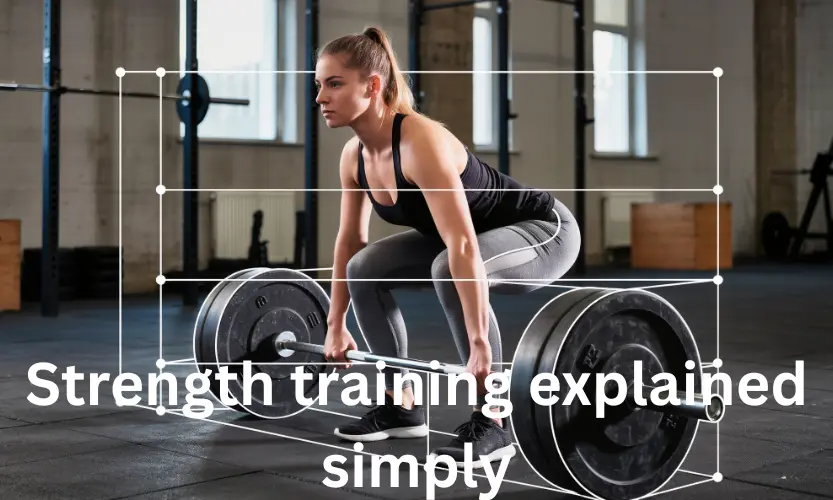
Strength training is any activity that makes your muscles work against resistance. That resistance can come from your own bodyweight, light dumbbells, resistance bands, or machines. You do not need a gym membership or expensive equipment to begin. Your body is enough to start building strength.
It is not about becoming bulky
One of the biggest myths is that strength training automatically leads to a bulky body. Muscle growth takes time, consistency, and specific nutrition. Beginners typically experience improved muscle tone, better posture, and increased strength, not sudden size gains.
Strength is about daily life
Strength training improves how you move, lift, sit, stand, and carry things in daily life. It helps protect your joints, improve balance, and reduce the risk of injuries. It is not just about appearance, it is about function.
How to Start Strength Training Without Overthinking
Start with what feels manageable
You do not need to be fit to begin strength training. Strength training is how you become fit. Start with movements your body can handle today. Even simple exercises done with good form are powerful tools for change.
Learn movement patterns first
Before worrying about how much weight to lift, focus on learning basic movements. Squatting, pushing, pulling, hinging, and stabilizing your core are the foundation of all strength training. Once these feel natural, everything else becomes easier.
Keep workouts short and realistic
Long workouts are not necessary, especially in the beginning. Short sessions help reduce mental resistance and make consistency easier. A focused session can still deliver great results without draining your energy.
Core Strength Training Movements Every Beginner Should Know
Lower body strength and squats
Squats strengthen your legs, hips, and core. They support everyday movements like sitting down and standing up. Beginners should focus on slow, controlled squats using bodyweight before adding resistance.
Upper body pushing movements
Push exercises work the chest, shoulders, and arms. Modified versions are completely acceptable. What matters is learning control and building strength gradually.
Pulling movements for posture
Pull exercises strengthen the back and improve posture. They help balance pushing movements and reduce strain on the shoulders. These exercises are essential for long-term joint health.
Core stability over crunches
A strong core supports your spine and improves overall strength. Stability exercises train your core to work as a support system rather than focusing only on appearance.
How Often Beginners Should Strength Train
Consistency matters more than frequency
You do not need to train every day. Two or three sessions per week are enough for beginners. Consistency allows your body to adapt without feeling overwhelmed.
Rest supports progress
Muscles recover and grow during rest. Skipping rest days can lead to fatigue and frustration. Recovery is part of training, not a sign of weakness.
Build a routine that fits your life
The best routine is one you can maintain. Choose days and times that realistically work with your schedule. Strength training should feel supportive, not stressful.
Safety Tips Every Beginner Should Follow
Warm up properly
A proper warm-up prepares your muscles and joints for movement. Light activity and dynamic stretching reduce stiffness and help prevent injuries.
Focus on form before weight
Using heavier weights too soon increases the risk of injury. Learning correct movement patterns should always come first. Progress should feel controlled, not rushed.
Listen to your body
Mild soreness is normal, sharp pain is not. Learning to recognize the difference helps prevent injuries and builds long-term confidence.
What Beginners Can Expect in the First Weeks
Muscle soreness is normal
Soreness happens when your muscles adapt to new stress. It does not mean you failed or overdid it. Gentle movement and rest help reduce discomfort.
Progress may feel slow
Visible changes take time. Strength gains often show up as increased energy, better movement, and improved confidence before physical changes appear.
Confidence grows quickly
One of the biggest benefits beginners notice is mental strength. Each workout builds trust in your body and boosts self-belief.
Strength Training at Home Versus the Gym
Home training works
You can build strength at home with minimal equipment. Home workouts remove barriers like travel time and gym anxiety.
Gyms offer variety, not necessity
Gyms provide equipment options, but they are not required for progress. Choose the environment where you feel most comfortable.
Consistency is the deciding factor
Where you train matters less than how often you show up. Choose the option that helps you stay consistent.
Nutrition Basics for Strength Training Beginners
You do not need perfection
A balanced diet supports strength training, but extreme diets are unnecessary. Focus on regular meals and overall balance.
Protein supports recovery
Protein helps muscles repair and grow. Including protein regularly is more important than exact amounts.
Hydration affects performance
Staying hydrated supports energy, recovery, and focus. Many beginners underestimate the impact of hydration.
You may also like these article
Daily Wellness Tips for Beginners: Simple Habits for a Better You
simple stress relief techniques that Instantly Calm Your Mind
Unlock Inner Peace with Simple Steps on how to start mindful living
Easy Self Care Routine Ideas to Boost Your Mood Instantly
Transform Your Life with Natural Remedies for Wellness
Common Beginner Mistakes to Avoid
Doing too much too soon
Overtraining leads to burnout. Strength training should feel challenging but manageable.
Comparing progress
Everyone progresses at a different pace. Comparing yourself to others can reduce motivation and confidence.
Skipping recovery
Rest is essential. Ignoring recovery slows progress and increases injury risk.
How to Stay Motivated Long Term
Focus on small wins
Small improvements build momentum. Celebrate increased strength, better movement, and improved energy.
Track how you feel
Notice improvements in mood, confidence, and daily comfort. These changes matter just as much as physical ones.
Be patient with yourself
Strength training is a long-term journey. Progress comes from consistency, not perfection.
Beginner Strength Training Tips Conclusion
Starting strength training does not require confidence, experience, or perfect motivation. It requires a willingness to begin. These beginner strength training tips are meant to remind you that slow progress is still progress and that consistency always wins. Strength training is not about proving anything to anyone else. It is about building trust in your body and creating habits that support your health long term.
Takeaway checklist
Start with simple movements and focus on form
Train a few times per week consistently
Rest and recovery are part of progress
Fuel your body with balanced meals and hydration
Stay patient and celebrate small wins
FAQs
What is the best way to start strength training as a beginner
Start with simple movements, focus on proper form, and keep workouts short so your body can adapt without stress
Do beginners need weights for strength training
No, bodyweight exercises are effective and help build strength before adding any equipment
How often should beginners do strength training
Consistency matters more than intensity, allowing enough rest between sessions helps muscles recover and grow
Is strength training safe for beginners
Yes, when done with correct form and gradual progression, strength training is safe and very beneficial
How long does it take to see results from strength training
Beginners often notice improved strength and energy fairly quickly when training regularly and eating well


