
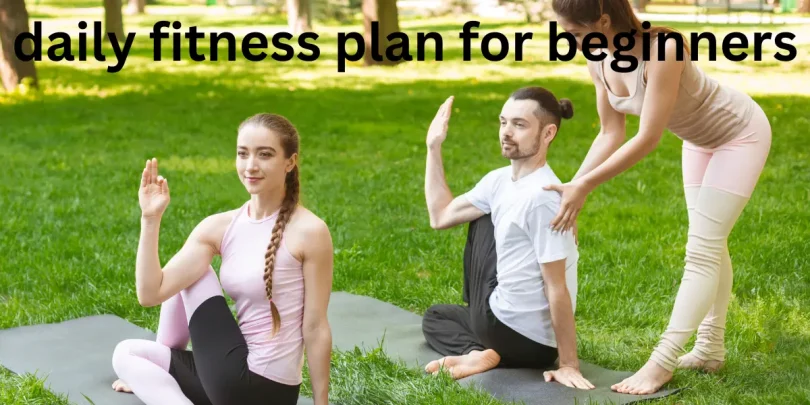

Let’s be real—starting a fitness routine can feel overwhelming. You scroll through social media, see all those perfectly toned people, and think, “How do I even start?” That’s where a daily fitness plan for beginners comes in. It’s a simple, structured way to ease into exercise, build healthy habits, and feel confident in your own progress. No pressure, no fluff—just a realistic approach to getting moving and improving your overall health.
Why a daily fitness plan matters

The truth is, consistency matters more than intensity when you’re just starting. Jumping into a random workout or trying to imitate advanced routines can lead to frustration, burnout, or even injury. A daily plan gives you a clear roadmap, helps you stay accountable, and makes it easier to see progress. It also turns exercise from a chore into a routine you can realistically stick with. Over time, these small, daily actions compound into big improvements in strength, energy, and confidence.
Setting realistic expectations
Here’s the deal: you don’t need to spend hours at the gym or push yourself to exhaustion. For beginners, it’s about taking manageable steps that build momentum. Start with short, consistent sessions that focus on form and gradually increase intensity as your body adapts. Realistic expectations are crucial because they prevent disappointment and help you maintain motivation. Instead of aiming for perfection, focus on progress, like being able to do more repetitions, feel less winded during cardio, or notice improved flexibility.
Building your daily routine

Creating a routine may sound complicated, but it’s simpler than you think. A well-rounded daily fitness plan for beginners balances strength, cardio, and flexibility. Start small and keep things manageable, making sure each day has a purpose without feeling overwhelming. A typical structure might include a warm-up, a main workout, and a cool-down. Warm-ups prepare your body for movement and reduce injury risk, while cool-downs help recovery and improve flexibility. Main workouts can mix bodyweight exercises, light cardio, and stretching for a balanced approach. Over time, your routine can evolve as your strength and endurance increase, but starting with something achievable is key.
Choosing the right exercises
Not all exercises are beginner-friendly, so selecting the right ones is crucial. Focus on movements that are safe, effective, and enjoyable. Bodyweight exercises like squats, push-ups, lunges, and planks build foundational strength without requiring equipment. Cardio exercises can include walking, cycling, or jogging at a pace that feels comfortable. Flexibility exercises such as yoga or simple stretching improve mobility and help prevent injuries. Enjoyment matters because if you like what you’re doing, you’re more likely to stick with it. Listen to your body and adapt exercises as needed to avoid strain.
Staying motivated
Motivation is often the hardest part of sticking with a fitness routine, especially at the beginning. Some days you’ll feel inspired, while others you’ll struggle to get moving. Real talk: that’s completely normal. Setting achievable goals and tracking your progress helps maintain motivation. Celebrate small milestones, like completing your first week, noticing increased stamina, or feeling more energetic. Switching up workouts, adding music, or finding a friend to exercise with can also make a huge difference in keeping things exciting. Motivation may fluctuate, but creating a consistent habit ensures you keep moving forward even on tough days.
Overcoming common beginner challenges
Starting a fitness journey comes with its challenges, but knowing how to tackle them makes it easier to stay consistent. Time constraints are common; if your schedule is tight, break workouts into smaller segments throughout the day. Feeling intimidated in gyms or during exercises is also normal—start with exercises you know and gradually progress. Soreness is expected in the first few weeks; stretching, hydration, and rest are essential. Boredom can creep in if routines feel repetitive, so try new exercises, change locations, or listen to energizing music to keep things fresh. Understanding these challenges helps you stay prepared and maintain consistency.
Nutrition and recovery
Exercise alone isn’t enough for overall fitness and health. Nutrition and recovery are equally important. Eating a balanced diet with sufficient protein, healthy fats, and complex carbs supports energy levels and muscle recovery. Staying hydrated aids performance and prevents fatigue. Recovery days are vital—they allow your muscles to repair, reduce injury risk, and prevent burnout. Even beginners benefit from listening to their body and adjusting intensity based on how they feel. Fitness isn’t just about what you do in workouts but how you fuel and care for your body every day.
Tracking your progress
Tracking progress is a simple but powerful tool to stay motivated. Journaling workouts, using an app, or marking a calendar can show improvements in strength, endurance, or flexibility. Tracking isn’t about obsession—it’s about celebrating small wins and noticing growth over time. When beginners see tangible progress, it reinforces consistency and makes the journey more rewarding. You might notice you can do more reps, hold a plank longer, or feel less tired during cardio sessions. These small markers build confidence and reinforce your commitment.
Tips for making fitness a habit
Forming a lasting habit takes patience and planning. Start small, stay consistent, and make fitness a natural part of your day. Scheduling workouts at a regular time, setting achievable goals, and rewarding yourself for sticking to your plan all help build long-term habits. Missed days happen—don’t beat yourself up. Focus on getting back on track rather than dwelling on setbacks. Fitness is about building a lifestyle, not chasing perfection. Over time, consistent practice transforms exercise from a challenge into a natural, enjoyable routine.
Beginner-friendly workout variations
Beginners come in all shapes, sizes, and fitness levels, so flexibility in your routine is key. Low-impact options like walking, swimming, or gentle yoga are perfect for easing into exercise. Strength-focused routines can include bodyweight exercises or resistance bands. Cardio enthusiasts can try cycling, elliptical workouts, or dancing. Mixed routines that combine cardio, strength, and flexibility are effective for overall fitness and prevent boredom. Choosing variations that fit your preference increases enjoyment and consistency.
Common mistakes to avoid
Even beginners can learn from common mistakes others make. Skipping warm-ups or cool-downs, overtraining without recovery, poor form during exercises, comparing yourself to others, or expecting immediate results can hinder progress. Awareness of these pitfalls allows you to avoid setbacks and focus on building a sustainable routine. Taking it slow, prioritizing proper form, and gradually increasing intensity ensures long-term success and prevents discouragement.
You may also like these article
Daily Wellness Tips for Beginners: Simple Habits for a Better You
simple stress relief techniques that Instantly Calm Your Mind
Unlock Inner Peace with Simple Steps on how to start mindful living
Easy Self Care Routine Ideas to Boost Your Mood Instantly
Transform Your Life with Natural Remedies for Wellness
Making it fun
Fitness sticks when it’s enjoyable. Incorporate activities you love, play music that energizes you, or try workouts in outdoor spaces. Setting mini-challenges and celebrating achievements make the process more engaging. Enjoyment reduces mental resistance and keeps you committed. Fun is a key ingredient in creating a lasting fitness habit because the more you enjoy your workouts, the less they feel like a chore.
Staying accountable
Accountability makes a huge difference. Sharing progress with a friend, joining online communities, or setting reminders can boost commitment. Even tracking your own achievements helps maintain responsibility. When you know someone else is aware of your goals or when you see your progress visually, it motivates you to keep going. Accountability isn’t about pressure—it’s about support and reinforcement for your efforts.
Realistic mindset for beginners
Fitness is a journey, not a race. Some days will feel incredible, while others will be challenging. Embrace the process, focus on steady progress, and accept that setbacks happen. Each day you commit to your routine is a step toward a healthier, stronger you. Patience, persistence, and self-compassion are critical to making a fitness lifestyle sustainable. Realistic expectations prevent frustration and make the journey enjoyable.
Conclusion
Starting a fitness journey doesn’t have to be intimidating. A clear daily fitness plan for beginners makes exercise approachable, enjoyable, and sustainable. Focus on consistency, listen to your body, and celebrate progress no matter how small. Remember, fitness is about building habits that last, not overnight transformations. Enjoy the process, and let it become a part of your daily life.
Daily fitness plan for beginners checklist:
- Set realistic goals
- Start with simple exercises
- Include warm-up and cool-down
- Mix cardio, strength, and flexibility
- Track progress and celebrate wins
- Stay consistent and make it enjoyable
FAQs
What is a daily fitness plan for beginners?
A daily fitness plan for beginners is a structured routine designed to gradually improve strength, endurance, and overall health without overwhelming someone new to exercise.
How long should a daily fitness plan for beginners be?
It should be manageable, usually around thirty to forty-five minutes per day, focusing on simple exercises that build consistency and form.
What types of exercises are included in a daily fitness plan for beginners?
It often includes a mix of light cardio, strength training, flexibility exercises, and basic bodyweight movements that are easy to follow.
How can beginners stay motivated with a daily fitness plan?
Setting realistic goals, tracking progress, celebrating small achievements, and mixing up routines can help maintain motivation.
Can a daily fitness plan for beginners help with weight loss?
Yes, when combined with a balanced diet, it can support weight management, improve metabolism, and boost energy levels.


