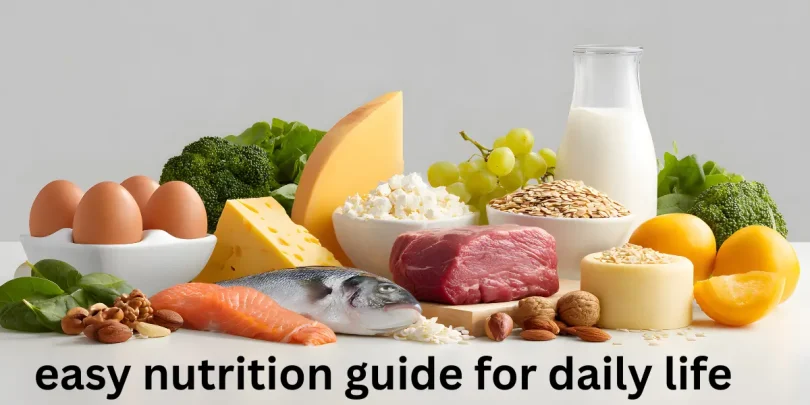

Real talk: eating healthy can feel impossible sometimes. You’ve got work, school, errands, maybe kids, and somehow finding time to eat properly feels like a luxury. You open the fridge, stare at random leftovers or snacks, and think, “Where do I even start?” That’s where an easy nutrition guide for daily life comes in. It’s not about strict rules or complicated diets—it’s about small, practical steps that actually fit your life. Eating well shouldn’t feel stressful or overwhelming. This guide is here to make nutrition approachable, realistic, and adaptable for anyone, even if you’ve struggled with healthy eating before. You’ll learn how to structure meals, snacks, hydration, and lifestyle habits so that staying nourished becomes second nature instead of a chore.
Understanding Nutrition Without the Confusion
Nutrition doesn’t have to be rocket science. At its core, your body needs fuel from a few main sources: proteins, carbs, fats, vitamins, and minerals. The tricky part is balancing them in a way that makes sense for your day. Proteins help build muscles and repair tissues, while carbs give you the energy you need to get through your daily tasks, workouts, or simply moving through your day. Healthy fats are essential for brain function, hormone production, and overall satiety, while vitamins and minerals support energy, immunity, and overall health. Getting these basics right doesn’t mean you have to eat perfectly every meal—it means making sure each day you’re covering these essentials in a way that works for your schedule. It’s about creating a foundation that supports your lifestyle instead of stressing over every bite.
Setting Realistic Goals
Beginners often make the mistake of aiming for perfection, thinking they need to overhaul their entire diet overnight. That approach is rarely sustainable and often leads to frustration. Instead, focus on small, achievable changes that you can maintain over time. Start with one meal at a time or one swap at a time. Simple examples include swapping sugary cereal for oats with fruit, adding a side of vegetables to one meal per day, or choosing water instead of sugary drinks. The key is consistency, not intensity. Over time, these small wins compound, building habits that last. Progress may feel slow, but sustainable changes are always better than quick fixes that fade after a week or two.
Easy Meal Planning for Busy Lives
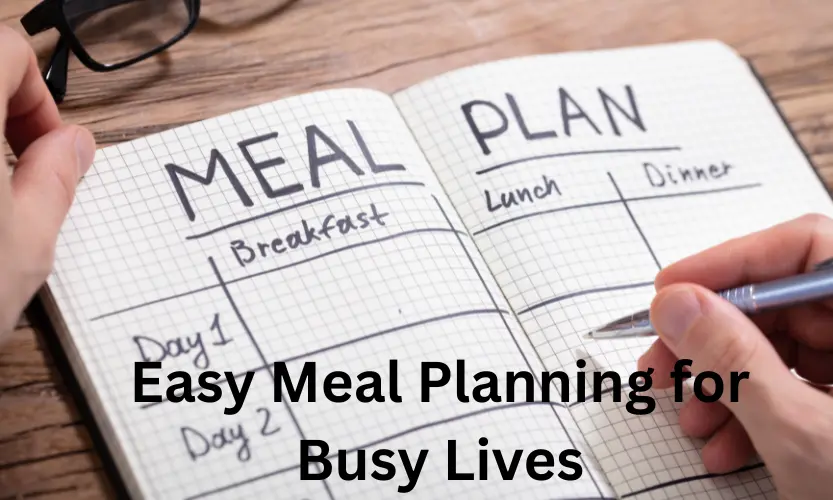
Meal planning doesn’t need to be complicated or intimidating. You don’t need a perfectly curated 7-day plan; what works is having a simple framework that you can repeat week to week. A basic approach is to pick your protein first, whether it’s chicken, tofu, eggs, or beans, then choose a complex carb such as brown rice, quinoa, or whole-grain bread, and add vegetables or fruits for fiber and essential nutrients. Finish your meals with a source of healthy fat, like avocado, nuts, or olive oil. Preparing ingredients in batches, such as cooking grains or washing vegetables ahead of time, saves time and reduces stress during busy days. With a few easy steps, you can create balanced meals quickly without feeling overwhelmed.
Smart Snacking Made Simple
Snacks are often where people derail their nutrition. The good news is you don’t need to give up snacking altogether—you just need better options. Focus on snacks that provide nutrients while keeping you satisfied. Options like fruit or veggie sticks with hummus, Greek yogurt with a handful of nuts, or rice cakes with nut butter are convenient and healthy. Keep snacks visible and accessible so you’re not reaching for chips out of convenience. Snacking shouldn’t be guilt-inducing; it should be a way to fuel your body and prevent overeating at meals.
Hydration: The Overlooked Hero
Water is often overlooked, yet it’s crucial for overall health. Staying hydrated affects your energy levels, mood, digestion, and even skin health. Many beginners forget to prioritize water, but the solution is simple: carry a reusable water bottle, sip throughout the day, and aim for clear or light-yellow urine as an easy hydration check. Adequate hydration also helps control appetite, supports metabolism, and improves concentration. Treat water as part of your daily nutrition plan, not just something to grab when you feel thirsty.
Overcoming Common Pitfalls
Everyone faces challenges when trying to improve their eating habits. Feeling too busy, getting bored with meals, craving sugar, or eating out frequently can all interfere with progress. Solutions are practical: prep meals in bulk, rotate ingredients and spices to prevent boredom, allow occasional treats without guilt, and make mindful choices when dining out. Progress is rarely linear, so patience and persistence are key. Each small choice adds up, and over time, habits will stick without making you feel restricted or overwhelmed.
Quick Tips for Eating Out Without Stress
Eating out doesn’t need to sabotage your nutrition. Begin by scanning the menu for balanced options, prioritize protein and vegetables, and ask for dressings or sauces on the side. Avoid skipping meals to “save calories,” which often backfires by increasing cravings later. Mindful choices while eating out allow you to enjoy social situations while staying on track with your goals.
How to Read Labels Like a Pro
Grocery stores can be intimidating, but reading labels doesn’t have to be complicated. Focus on serving size, protein, sugar, fiber, and the ingredients list. Shorter ingredient lists with recognizable items are often better choices. Being label-savvy helps you avoid hidden sugars, unnecessary additives, and highly processed foods. It’s a simple skill that empowers you to make informed choices without overthinking every product.
You may also like these article
Daily Wellness Tips for Beginners: Simple Habits for a Better You
simple stress relief techniques that Instantly Calm Your Mind
Unlock Inner Peace with Simple Steps on how to start mindful living
Easy Self Care Routine Ideas to Boost Your Mood Instantly
Transform Your Life with Natural Remedies for Wellness
Making It Stick: Habits Over Perfection
The ultimate goal of an easy nutrition guide for daily life is creating habits that last. Small, consistent changes are more effective than strict rules. Add one vegetable to your lunch, swap soda for water once a day, or include protein in every meal. Habits compound over time, and these small actions will make healthy eating feel natural. Avoid all-or-nothing thinking—celebrate wins, no matter how minor they seem. Over time, eating well becomes effortless because it’s part of your routine.
Mindset Matters
Nutrition isn’t just about food; it’s about your mindset. Treat meals as fuel, not punishment. Celebrate small victories, like choosing a salad instead of fries or adding an extra fruit serving. Positive thinking helps reinforce habits and keeps motivation high. Remember, this is a long-term journey, and building confidence in your choices matters more than perfection.
Simple Actionable Checklist
Include a protein source in every meal
Eat at least one serving of fruit and one of vegetables daily
Drink water consistently throughout the day
Plan or prep meals when you have time
Choose whole foods over packaged snacks whenever possible
Wrapping It Up
Here’s the bottom line: an easy nutrition guide for daily life isn’t about restriction or complicated rules. It’s about creating habits that fit your life, respecting your body, and making food work for you instead of against you. Start small, be consistent, and remember—it’s a journey, not a race. Every small choice adds up, and with patience, healthy eating becomes effortless. Keep it simple, practical, and enjoyable, and over time, good nutrition will feel completely natural.
FAQs
What is an easy nutrition guide for daily life?
An easy nutrition guide for daily life is a simple plan to help you eat balanced meals, get essential nutrients, and maintain energy without complicated diets.
How can I follow an easy nutrition guide for daily life?
You can follow it by including a mix of fruits, vegetables, lean proteins, whole grains, and healthy fats in your meals while keeping portions balanced.
Why is an easy nutrition guide for daily life important?
It helps improve energy, supports overall health, strengthens immunity, and reduces the risk of lifestyle-related diseases.
Can an easy nutrition guide for daily life help with weight management?
Yes, it promotes mindful eating and portion control, which can support healthy weight management without extreme dieting.
Are there quick meal ideas in an easy nutrition guide for daily life?
Absolutely, it includes simple and quick recipes that fit into a busy schedule while keeping meals nutritious and satisfying.