


Life has this habit of becoming overwhelming in the quietest ways. You wake up already feeling behind, your mind races before you even check your phone, and the smallest responsibilities suddenly feel heavier than they should. Real talk: you are not alone in feeling this way. Every day, people struggle with stress that creeps in through work, home, relationships, expectations, and sometimes even their own thoughts. This is exactly why it becomes essential to pause for a moment and pay attention to what you truly need. Today, we’re diving into simple stress relief techniques, because sometimes all you want is someone to break things down in a calm, friendly, beginner-friendly way. Think of this as a conversation with someone who genuinely gets it—someone who knows how stress quietly settles into your body and your routine and wants to help you relieve it without pressure or perfection. Take a moment for yourself. Breathe. You deserve this space to learn and reset.
Why Stress Feels So Heavy

Stress doesn’t appear all at once; it builds over time. It collects in your shoulders when you’re tense, sits in your jaw when you clench it without noticing, and fills your thoughts when you try to shut your eyes at night. When you’re new to managing stress, it might feel confusing or frustrating because you wonder why simple things feel heavier than they should. But the truth is that stress affects your entire nervous system. It influences your mood, your concentration, your patience, and even your physical energy. Beginners often ask, “Why is it so hard to relax?” And the honest explanation is that most people are never taught how to calm themselves. You learn how to solve problems, how to push through challenges, how to complete tasks, but rarely how to step back and settle your mind. This section aims to remind you that feeling overwhelmed is not a sign of weakness—it’s a natural reaction when your body and mind are working overtime. Once you understand why stress feels so heavy, you can begin releasing it through gentle, realistic steps.
Starting Small: The Foundation of Relieving Stress
If you’re new to stress relief, starting small is the best thing you can do. Big lifestyle changes often feel intimidating, especially when you’re already mentally or emotionally drained. But small shifts are powerful. You don’t need expensive tools, hour-long routines, or strict habits. All you really need is awareness—a gentle understanding of what your mind and body are asking for. Starting small means choosing something simple and manageable and sticking with it consistently. Whether it’s taking one intentional breath when your thoughts feel loud or stepping away from your screen for a moment to reset your focus, it all adds up. These small foundational steps make bigger changes much easier later, because they slowly teach your body how to move from stress to calmness more naturally. Think of this foundation as the beginning of your overall wellbeing story.
Breathing: The Quickest Way to Reset
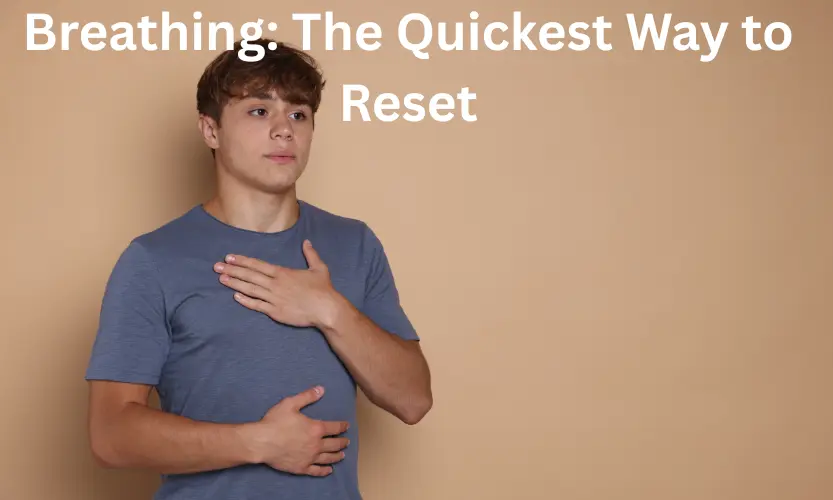
Breathing is one of the easiest, fastest, and most accessible techniques for reducing stress. It works instantly because your breath is directly connected to your nervous system. When stress rises, your breathing becomes shallow without you noticing, your muscles tense, and your mind becomes reactive. But when you slow your breathing intentionally, you send a message to your brain that you’re safe. This immediately reduces the stress response, allowing your mind to think more clearly and your body to relax naturally. Even if you’ve never practiced a breathing technique before, you can start right now. Inhale slowly through your nose, hold the breath for a moment, and then exhale gently through your mouth. Repeat this two or three times whenever you feel tension building. The best part is that this technique can be used anywhere—at school, at work, while studying, before sleep, or during moments when you feel overwhelmed. Over time, your body begins to remember this calm pattern, making stress easier to manage.
Movement: Gentle Motion That Melts Stress
Stress often shows up in the body before it shows up in the mind. Your shoulders tighten, your neck stiffens, your back aches, and you feel heavy or restless. Gentle movement helps release that physical tension. You don’t need to work out intensely or follow a complicated routine. Small stretches, a few steps around the room, rolling your shoulders, or reaching your arms upward can instantly release the tension that has been sitting inside your muscles. Movement improves blood flow, reduces stiffness, and helps your mind feel lighter. Beginners often underestimate how effective simple motion can be, but the difference becomes noticeable quickly. Even a two-minute walk or a slow stretch can reset your energy and ground your thoughts. The goal isn’t to become flexible or athletic; the goal is to help your body relax so your mind can follow.
Creating Calm Through Your Environment
Your environment plays a huge role in your stress levels, even when you don’t realize it. A cluttered room, bright lights, loud noises, or too many visual distractions can make your mind feel busy and restless. That’s why creating calm in your space doesn’t require redesigning your home—it simply means adjusting small things around you to support relaxation. Clearing one surface you use frequently, turning on softer lighting, lowering the noise, or keeping a small grounding object nearby can shift your mental state more than you expect. Your mind responds to your surroundings, so when your environment feels calmer, your thoughts naturally slow down too. Beginners often find this technique very helpful because it requires almost no effort and provides immediate relief.
Mental Mini-Breaks: Your Brain’s Reset Buttons
Your brain can become overloaded when you don’t allow it to rest, and stress worsens when thoughts pile up. Mental mini-breaks are short pauses that help reset your mind. They can be as simple as looking at something far away for a few seconds, closing your eyes briefly, or thinking about one thing that went right today. These small pauses help interrupt the stress cycle before it gets stronger. Beginners benefit from these resets because they take almost no time and require no preparation. Over time, these mental breaks teach your mind how to settle itself more easily, which becomes especially helpful during busy or emotional days.
Grounding Techniques for Intense Stress
Grounding techniques help bring your focus back to the present moment when your thoughts feel out of control or overwhelming. Stress often pushes your mind into the future or the past, and grounding brings it back to now. A simple grounding exercise involves noticing one thing you can see, one thing you can hear, and one thing you can touch. This shifts your focus from racing thoughts to real sensations, which calms your nervous system. Beginners often find grounding techniques comforting because they offer something practical to hold onto when emotions feel too strong.
The Power of Saying “Pause”
People frequently push through stress because they feel they don’t have time to stop. But saying “pause” is a skill that helps break destructive stress patterns. When you feel tension rising, mentally saying “pause” gives you permission to take a breath and reset. This simple action helps you respond to situations more calmly instead of reacting impulsively. Pausing might seem small, but it can shift your entire mindset and prevent stress from building up throughout the day.
You may also like these article
Calm Living Tips for Everyday Life: Transform Your Routine Naturally
Healthy Work Life Balance Guide: Simple Steps to Transform Your Day
Stress Free Living for Beginners: Simple Tips for a Calmer Life
Easy Lifestyle Improvement Tips That Transform Your Daily Routine
Simple Mindfulness Habits at Home: Transform Your Daily Routine
Managing Stress Through Micro-Routines
Micro-routines are tiny habits you repeat daily to add structure and comfort to your day. They’re small enough not to feel overwhelming but consistent enough to create emotional stability. Simple micro-routines include drinking water when you wake up, stretching for a few seconds throughout the day, or taking one slow breath before checking your phone. These small rituals anchor your day and give you moments of control, which naturally reduce stress.
Letting Go of Perfection
Perfectionism is one of the biggest sources of stress. It creates pressure to do everything flawlessly and makes you feel guilty when things don’t go perfectly. Letting go of perfection doesn’t mean lowering your standards; it means giving yourself permission to be human. Focusing on effort instead of results, celebrating small progress, and accepting that “good enough” is sometimes the healthiest choice can relieve immense emotional weight. Beginners often find that releasing perfection helps them feel lighter, calmer, and more in control.
Journaling for Emotional Release
Journaling is a simple and effective way to release stress. You don’t need a special notebook or long entries. Write one sentence about how you feel, what stressed you today, what helped, or what you want tomorrow to look like. This process helps you understand your emotions better and prevents them from building up in your mind. Journaling gives your thoughts a place to go, making it easier to think clearly and calmly.
Getting Comfortable With Stillness
Stillness is powerful, especially for beginners who feel restless or overwhelmed. Sitting quietly for even thirty seconds allows your mind to slow down and your thoughts to settle. Stillness teaches you how to be present without feeling pressured to act or think. Over time, these small moments build resilience and emotional grounding.
Using Self-Talk to Calm Yourself
Your internal voice shapes your stress levels. Harsh self-talk increases pressure, while gentle self-talk brings relief. Simple phrases like “I’m safe right now,” “One step at a time,” or “It’s okay to slow down” help your mind relax and reduce anxious thinking. Beginners often find this technique surprisingly effective because it changes the way they respond to challenges.
Digital Boundaries for Less Mental Overload
Screens contribute significantly to mental overload. Taking small breaks from your phone, turning off unnecessary notifications, or avoiding stressful scrolling can reduce emotional heaviness. Digital boundaries help you protect your mental space and prevent information overload from increasing your stress.
Sleep: The Quiet Hero of Stress Relief
Sleep is essential for stress relief. Without enough rest, your mind becomes more reactive and your body more tense. Preparing for sleep with dim lights, gentle stretching, or calming thoughts can make it easier to fall asleep and stay asleep. Better sleep supports better emotional balance.
Building Your Personal Calm Toolkit
A calm toolkit is a collection of techniques that work best for you. It might include breathing exercises, grounding, movement, journaling, or stillness. The goal is not to use every technique every day but to have options that you can choose from depending on what you need. Everyone’s toolkit looks different, and beginners discover their favorites through simple experimentation.
Connecting With Others
Human connection is one of the strongest stress reducers. Talking to someone you trust, sharing how your day went, or simply checking in with a friend can ease emotional heaviness. Connection reminds you that you’re not alone, and that in itself is calming. Even small moments of connection can reduce stress significantly.
A Down-to-Earth Conclusion
Stress may not disappear instantly, but the techniques you’ve learned here give you real, practical tools to manage it. You don’t need to be perfect, disciplined, or experienced. You just need to begin—one gentle breath, one small pause, one tiny step at a time. You deserve peace, clarity, and a softer life. And with consistency, these small actions will help you feel calmer even on difficult days. Keep going, keep trying, and keep giving yourself space to breathe. You’re doing better than you think.
Your Takeaway Checklist
Take one deep breath today
Stretch your shoulders gently
Pause for a moment
Clear one small area of your space
Offer yourself one kind thought
FAQs
What are the easiest simple stress relief techniques for beginners
Deep breathing, light stretching, and grounding exercises work quickly and require no experience.
How can simple stress relief techniques help during busy days
They offer quick calm, helping you manage emotions, stay focused, and reduce tension without slowing your routine.
Can simple stress relief techniques improve sleep
Yes, gentle breathing and relaxation habits relax your nervous system, making it easier to fall asleep naturally.
Are simple stress relief techniques effective for anxiety
They can ease mild anxiety by lowering stress hormones and helping your body shift into a calmer state.
How often should I practice simple stress relief techniques
A few minutes daily can make a noticeable difference, especially when repeated consistently.


