


Life can often feel like a constant whirlwind where responsibilities, deadlines, and endless notifications pull us in every direction. Real talk, most of us crave calm, yet finding it in our busy routines feels impossible. The good news is that bringing a sense of ease into your everyday life doesn’t require major life changes or complicated routines. The key is adopting calm living tips for everyday life that are simple, practical, and easy for beginners to integrate. Starting with small adjustments can create a ripple effect, improving mood, reducing stress, and enhancing overall well-being. Even small habits like mindful breathing, gentle movement, or a structured morning routine can make your days feel lighter and more intentional. The first step is awareness—recognizing what drains your energy, what adds stress, and where small changes could lead to a calmer state of mind. Once you understand this, implementing daily practices becomes much easier and natural.
Start Your Day with Intention

Mornings play a critical role in shaping how the rest of your day unfolds. Waking up and immediately diving into work, scrolling through social media, or checking emails can trigger stress before your body has even fully woken up. Starting your day with intention sets a calm and focused tone. Begin with simple morning rituals like taking a few deep breaths, drinking water to rehydrate, and spending a couple of minutes reflecting on things you’re grateful for. This small pause allows you to center yourself and step into the day with a sense of purpose rather than being swept along by it. Preparing your outfit, breakfast, or even a to-do list the night before can remove the rush and give your mornings a more peaceful rhythm. These small rituals aren’t about perfection but about creating moments where you can breathe, feel present, and ease into the day gradually.
Declutter Your Mind and Space
Clutter—both physical and mental—can quietly increase stress and disrupt calm. A messy environment makes it difficult to focus and creates unnecessary mental noise. Taking time to declutter your living space, even for a few minutes daily, can make a noticeable difference in your mindset. Clearing your workspace, organizing your bedroom, or putting items in their proper place can instantly improve your sense of control and reduce anxiety. Mental decluttering is just as important. Writing down worries, tasks, or random thoughts in a journal can prevent them from swirling endlessly in your mind, allowing you to rest and focus better. Mental lists can help you prioritize and take one step at a time rather than feeling overwhelmed by everything at once. This combination of physical and mental decluttering creates a foundation for calm living by freeing space for clarity, focus, and peace.
Practice Mindful Breathing
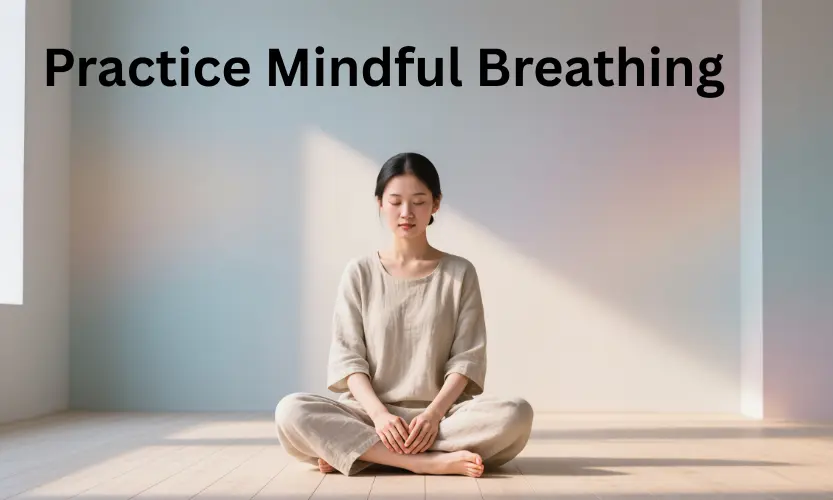
Breathing is something we often take for granted, but the way we breathe directly impacts our stress levels. Mindful breathing exercises are one of the quickest ways to calm the nervous system and create a sense of presence. A simple technique is inhaling for four counts, holding for four, and exhaling for six. Repeating this a few times can instantly shift your mental state from tension to relaxation. You can also incorporate short mini-meditations throughout the day. Even a minute of focused breathing while waiting for coffee or during a short break can help reset your mind and reduce stress. The beauty of mindful breathing is that it’s accessible anytime, anywhere, and doesn’t require special equipment or a large time commitment. It becomes a portable tool for calm that you can carry with you through your day.
Move Your Body
Physical movement is essential not just for fitness but for emotional and mental well-being. Gentle exercise releases endorphins, helps release tension, and improves mood. You don’t need intense workouts or a gym membership to experience these benefits. Short walks, stretching routines, or simple yoga practices can significantly enhance your sense of calm. The key is to listen to your body and focus on what feels good rather than pushing yourself into exhaustion. Incorporating movement into daily routines—like taking stairs instead of elevators, walking during phone calls, or doing a few stretches in the morning—can make calm living more achievable. Moving your body regularly helps release pent-up stress, improves circulation, and creates a natural rhythm that supports relaxation.
Set Boundaries with Technology
Technology has transformed our lives, but constant notifications and screen time can be major stressors. Setting clear boundaries with devices is crucial for calm living. Turn off non-essential notifications, designate tech-free periods during meals or before bedtime, and consider taking short digital detoxes from social media or news apps. Even small breaks from screens can allow your mind to recharge and reduce feelings of anxiety or overwhelm. By managing technology intentionally, you reclaim mental space and create opportunities to connect with yourself or the people around you without distractions. This conscious approach to technology usage supports a calmer, more balanced lifestyle and prevents digital burnout from sabotaging your peace of mind.
Simplify Your Tasks
A long to-do list can feel intimidating and drain your energy before you even begin. Simplifying tasks and focusing on what truly matters is key to calm living. Prioritize three essential tasks each day and concentrate on completing those first. Breaking larger projects into smaller, manageable steps reduces overwhelm and creates a sense of accomplishment as you complete each segment. Celebrating small wins along the way reinforces progress and keeps stress levels in check. Simplifying tasks also involves letting go of unnecessary perfectionism, recognizing that doing your best is enough, and understanding that some things can wait. This practical approach creates more mental bandwidth and fosters a calmer, more productive mindset.
Cultivate Gratitude
Gratitude is a powerful practice that shifts focus from what’s missing or stressful to what’s already positive in life. Taking a few moments each day to note things you appreciate can significantly enhance mood and promote calm. This doesn’t need to be elaborate—a simple list of three things you’re grateful for is enough. Expressing gratitude to others, whether through a message, a smile, or a thank-you note, can also strengthen relationships and boost your own sense of well-being. Gratitude helps anchor you in the present, reminding you of what truly matters and fostering a sense of calm amidst life’s challenges.
Engage in Creative Outlets
Creativity is a natural stress-reliever that allows the mind to focus on something enjoyable and fulfilling. You don’t need to be a professional artist or writer to benefit from creative expression. Journaling, doodling, sketching, or cooking a new recipe are all effective ways to channel energy constructively. The key is to focus on the process rather than the outcome. Enjoying the act of creating without worrying about perfection can provide deep relaxation, spark joy, and give your mind a break from daily pressures. Integrating creativity into your routine adds an extra layer of calm by giving you space to play, experiment, and express yourself freely.
Connect with Nature
Spending time in nature has a calming effect on the mind and body. Even a short walk in a park, sitting on a balcony, or enjoying fresh air can reduce stress and boost mood. Nature provides a sense of perspective and grounding, helping to quiet mental chatter and promote relaxation. If stepping outside isn’t always possible, bringing nature indoors through houseplants, flowers, or a small herb garden can create a peaceful environment. Surrounding yourself with natural elements contributes to a serene atmosphere and reinforces a sense of calm in everyday life.
Practice Self-Compassion
Being kind to yourself is a cornerstone of calm living. Many people are their harshest critics, which increases stress and erodes inner peace. Practicing self-compassion means speaking to yourself with the same kindness and encouragement you would offer a friend. Acknowledge small achievements, accept imperfections, and allow yourself grace on difficult days. Self-compassion helps build emotional resilience, making it easier to navigate challenges calmly and confidently. Embracing yourself fully and acknowledging your efforts fosters a sense of balance and contentment that supports a peaceful lifestyle.
You may also like these article
Daily Wellness Tips for Beginners: Simple Habits for a Better You
simple stress relief techniques that Instantly Calm Your Mind
Unlock Inner Peace with Simple Steps on how to start mindful living
Easy Self Care Routine Ideas to Boost Your Mood Instantly
Transform Your Life with Natural Remedies for Wellness
Build a Nighttime Routine
Evenings are crucial for winding down and preparing for restful sleep, which in turn affects overall calm. Creating a gentle nighttime routine helps signal to your mind and body that it’s time to relax. Dim the lights, reduce screen exposure, read a book, listen to calming music, or reflect on positive moments from your day. Prioritizing sleep through consistent bedtimes supports emotional stability, reduces stress, and enhances overall well-being. A calming evening routine ensures you end the day on a peaceful note, setting the stage for a more relaxed tomorrow.
Real Talk About Expectations
Calm living isn’t about perfection or achieving a flawless routine. It’s about creating small, consistent habits that nurture your mind, body, and spirit. Some days will feel more peaceful than others, and that’s perfectly normal. Accepting the ups and downs, letting go of things beyond your control, and focusing on what you can influence are essential parts of the journey. Progress may be gradual, but every small step adds up, creating a life that feels lighter, more manageable, and more enjoyable.
Conclusion
Integrating calm living tips for everyday life into your routine doesn’t require drastic changes or complex schedules. It’s about small, intentional actions that support your mental, emotional, and physical well-being. By starting your day with intention, decluttering your space and mind, practicing mindful breathing, moving your body, setting technology boundaries, simplifying tasks, cultivating gratitude, engaging in creative outlets, connecting with nature, practicing self-compassion, and building a calming nighttime routine, you can gradually experience a life that feels more balanced, relaxed, and fulfilling. The journey is unique for everyone, so start small, be patient with yourself, and embrace the process.
Actionable Takeaway Checklist
- Start mornings with intention
- Declutter your space and mind
- Practice mindful breathing
- Move your body daily
- Set technology boundaries
- Simplify tasks and prioritize
- Cultivate gratitude
FAQs
What are the easiest calm living tips for everyday life?
Simple routines like mindful breathing, limiting screen time, enjoying short walks, and creating a peaceful home environment can make daily life calmer.
How can I reduce stress using calm living tips for everyday life?
Incorporating meditation, journaling, and prioritizing tasks can help manage stress and promote a balanced, calm lifestyle.
Can calm living tips for everyday life improve sleep?
Yes, practices like a consistent bedtime, gentle stretching, and avoiding screens before sleep can enhance rest and relaxation.
Are calm living tips for everyday life suitable for busy schedules?
Absolutely. Most tips are small, practical adjustments that can fit into even the busiest daily routines without feeling overwhelming.
How quickly can I see benefits from calm living tips for everyday life?
Benefits vary, but consistent practice often brings noticeable improvements in mood, focus, and stress levels within a few days to weeks.


