

ife can feel like an endless cycle sometimes, right? You wake up, rush through your morning, juggle work, family responsibilities, social obligations, and then somehow end up exhausted by evening wondering how the day flew by. Stress piles up from everywhere, whether it’s deadlines, constant notifications, personal expectations, or just the pressure of keeping up with life. That’s why focusing on stress free living for beginners is so important. It’s not about completely avoiding challenges or pretending life is perfect; it’s about learning practical ways to calm your mind, regain control, and create space for joy. Even small changes in your daily routine, mindset, and habits can bring profound improvements in how you feel, helping you navigate your days with more ease and peace.
Understanding Stress and Why It Happens

Stress is a natural response designed to keep us alert and motivated, but too much of it can be overwhelming. Many beginners think stress is something to “just get rid of,” but real talk: it’s not always the enemy. Occasional stress is normal, but chronic stress, the kind that lingers and interferes with your sleep, focus, and energy, can take a serious toll on your mental and physical health. Identifying your personal stress triggers is crucial. For some, it’s work deadlines or social expectations; for others, it’s the constant barrage of information from phones and emails. By understanding what causes your stress, you can start making thoughtful adjustments rather than reacting blindly. Awareness is the first step toward mastering stress free living, and once you start recognizing patterns, you can implement strategies that make your life calmer and more manageable.
Mindset Shifts That Make a Difference
A lot of stress stems from the way we think. Beginners often underestimate the power of mindset, but it can completely transform your daily experience. Perfectionism is a huge culprit—believing everything must be flawless creates constant pressure. Letting go and accepting that “done is better than perfect” is freeing. Acceptance is another major shift; focusing on what you can control rather than obsessing over what you can’t is liberating. Practicing self-compassion is equally important; treating yourself as you would a close friend, rather than your harshest critic, softens tension and reduces internal stress. Mindset changes don’t happen overnight, but slowly incorporating these practices into your daily life lays the foundation for long-term stress reduction.
Simple Daily Habits to Reduce Stress
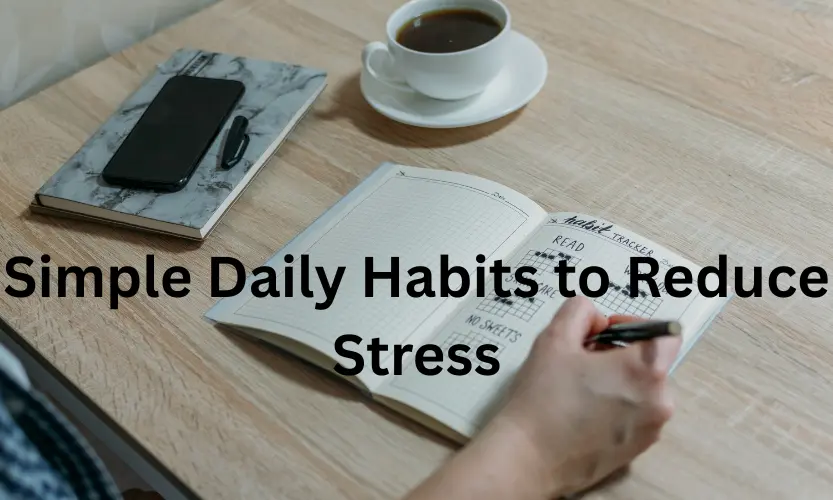
Consistency is a game-changer when it comes to stress free living for beginners. Simple, daily habits can have a massive impact on how you feel. Start the day with a small ritual, whether it’s stretching, a few minutes of deep breathing, or savoring a mindful cup of tea. Breaking tasks into smaller steps makes them less overwhelming and more achievable. Don’t underestimate the power of short breaks; even stepping outside for five minutes can reset your mind and body. Evening routines without screens, such as journaling or listening to calming music, signal your brain that it’s time to unwind. Small, consistent habits like these build a protective layer against stress and gradually create a calmer, more controlled daily rhythm that beginners can stick to without feeling burdened.
Stress Free Living Through Mindfulness
Mindfulness isn’t just trendy—it’s a practical tool to manage stress. Being present in the moment allows you to notice thoughts and feelings without being consumed by them. Beginners can start small: deep breathing exercises, observing thoughts as passing clouds, or practicing mindful eating by savoring each bite and slowing down during meals. Spending even a few minutes a day in mindful awareness can increase resilience, improve focus, and reduce feelings of overwhelm. Mindfulness helps you respond to life with clarity instead of reacting impulsively, which is a cornerstone of stress free living. Over time, these small moments of awareness become natural, helping you feel centered even during challenging situations.
Physical Activity as a Stress Buster
Exercise is a proven stress reliever, but you don’t need intense workouts to benefit. Beginners can start with gentle, enjoyable movements. A short walk in the morning, stretching, or yoga at home helps release tension and boosts mood through feel-good hormones. Even dancing to your favorite song for ten minutes counts. Consistency matters more than intensity; making movement a regular part of your day helps your body and mind reset, increases energy, and improves mental clarity. Pairing movement with mindfulness—like noticing your breath or body sensations while walking—enhances stress relief even further. Incorporating activity into your routine doesn’t have to be complicated; it’s the small, consistent steps that lead to lasting calm and balance.
Creating a Calm Environment
Your surroundings have a huge effect on how stressed you feel. Beginners often underestimate the power of a peaceful environment. Start by decluttering spaces where you spend most of your time; a tidy room can help create a clearer mind. Add elements that promote calm, like plants, soft lighting, or soothing scents. Limiting unnecessary notifications and digital clutter also helps your brain relax. A calm environment doesn’t have to be extravagant—it’s about intentional choices that reduce sensory overload and create spaces where your mind can breathe. Over time, living in a thoughtfully arranged space makes stress feel more manageable and gives you the mental clarity to handle life’s demands.
Building Healthy Boundaries
Setting boundaries is crucial for beginners learning stress free living. Saying “no” isn’t selfish—it’s necessary to protect your energy. Overcommitting leads to burnout and frustration. Start by identifying your priorities and politely declining tasks or commitments that don’t align with them. Schedule downtime intentionally, treating it as you would any other important appointment. Healthy boundaries also apply to relationships; spending time with people who uplift rather than drain you makes a big difference. Boundaries create space for self-care, reduce overwhelm, and give you a sense of control, all of which are essential for maintaining a stress-free lifestyle.
Social Support Matters
Humans are social creatures, and connection is a powerful stress reliever. Sharing your thoughts and feelings with supportive friends or family reduces the emotional burden and helps you gain perspective. Beginners should focus on nurturing relationships that bring positivity and encouragement. Seeking communities or groups that focus on wellness, mindfulness, or hobbies you enjoy also fosters connection while reinforcing stress-free habits. Social support provides motivation, emotional relief, and a sense of belonging, which are all critical for reducing stress and maintaining balance in everyday life.
Nutrition and Stress
What you eat directly impacts how you feel. Nutrition plays a surprisingly large role in managing stress. Staying hydrated is key, as dehydration can increase irritability and fatigue. Balanced meals with protein, healthy fats, and complex carbs help stabilize energy levels and mood. Limiting caffeine and sugar prevents spikes in stress hormones and anxiety. Even small, mindful choices in diet—like swapping processed snacks for fresh fruit or nuts—can improve mental clarity and create a calmer mind. Nutrition is a tool beginners can use to support stress free living without feeling like a burden; it’s about making simple, consistent adjustments rather than drastic changes.
Tech and Digital Detox
Technology is both a blessing and a curse when it comes to stress. Constant notifications, emails, and social media updates can keep your mind in overdrive. Beginners should consider scheduling tech-free windows, unsubscribing from unnecessary alerts, and using apps intentionally rather than habitually. Digital detoxes—even short ones—can give your brain a much-needed break, reduce anxiety, and help you feel more present. Managing your relationship with technology is an essential part of stress free living, allowing you to reclaim time and mental energy for things that truly matter.
You may also like these article
Daily Wellness Tips for Beginners: Simple Habits for a Better You
simple stress relief techniques that Instantly Calm Your Mind
Unlock Inner Peace with Simple Steps on how to start mindful living
Easy Self Care Routine Ideas to Boost Your Mood Instantly
Transform Your Life with Natural Remedies for Wellness
Self-Care Isn’t Selfish
Self-care is often misunderstood as indulgent, but it’s a critical component of stress free living for beginners. True self-care includes prioritizing sleep, engaging in activities that genuinely make you happy, and taking mental health days without guilt. It’s about replenishing your energy so you can navigate life more effectively. Self-care doesn’t have to be complicated or expensive—it can be as simple as reading a book, enjoying a quiet cup of tea, or taking a relaxing walk. Consistently practicing self-care builds resilience, improves mood, and supports overall well-being, making it easier to manage stress naturally.
Staying Consistent Without Pressure
Consistency matters more than perfection. Stress free living isn’t a race; it’s a journey. Beginners should celebrate small wins, allow setbacks without harsh self-judgment, and revisit habits as life evolves. Creating a sustainable routine rather than forcing dramatic changes ensures long-term success. Over time, the small, consistent actions you take compound into significant improvements in your mental, emotional, and physical health. Real talk: it’s the tiny, everyday decisions that make stress free living achievable and lasting.
Conclusion: Your Path to a Calmer Life
Stress free living for beginners isn’t about avoiding challenges or making life perfect. It’s about building practical habits, adopting mindset shifts, creating intentional routines, and making thoughtful choices that help you navigate life with more ease and joy. Start small, be consistent, and give yourself grace when things don’t go perfectly.By following these steps, you can embrace stress free living for beginners and cultivate a life filled with clarity, balance, and genuine happiness.
Here’s a simple checklist
- Identify personal stress triggers
- Practice daily mindfulness and deep breathing
- Move your body regularly
- Create a calm and organized environment
- Set healthy boundaries and protect your energy
- Prioritize self-care and quality sleep
- Limit unnecessary digital distractions
FAQs
What is stress free living for beginners?
Stress free living for beginners is about adopting simple daily habits and mindset shifts that reduce anxiety and create a calmer, more balanced lifestyle.
How can I start stress free living for beginners?
You can start by identifying stress triggers, practicing mindfulness, setting realistic goals, and incorporating relaxing activities into your routine.
What are some easy techniques for stress free living for beginners?
Breathing exercises, meditation, journaling, prioritizing sleep, and taking short breaks during the day are effective ways to begin.
Can stress free living for beginners improve my health?
Yes, lowering stress can enhance mental clarity, improve sleep, boost immunity, and increase overall energy and happiness.
How long does it take to see results with stress free living for beginners?
With consistent practice, noticeable improvements in mood, focus, and relaxation can often be felt within a few weeks.


