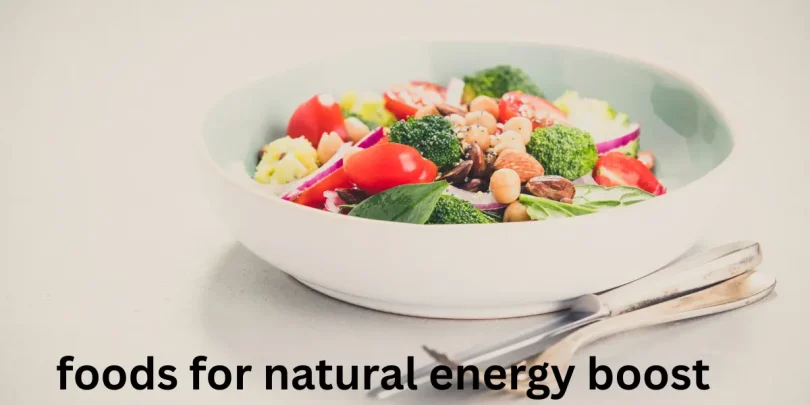

Let’s be honest, we’ve all been there—mid-morning yawns, dragging through the afternoon, staring at the clock wishing for a magic energy potion. The truth is, many of us rely too much on coffee, sugary drinks, or quick snacks thinking they will save the day, but real talk, those quick fixes only give a spike and then crash us harder than before. That’s why foods for natural energy boost are your real secret weapon. These are simple, everyday foods that your body actually loves and that can keep you going all day without the jittery side effects. Understanding how to fuel your body properly is key, because energy comes from the balance of what you eat, when you eat, and how your body processes it. Foods rich in complex carbohydrates provide steady energy, proteins help repair and maintain muscles and mental alertness, and healthy fats keep you going without sudden crashes. Vitamins, minerals, and antioxidants found in whole foods also support your metabolism and improve how efficiently your body turns food into fuel, which is exactly what you need to beat fatigue naturally. The best part is that you don’t have to completely overhaul your lifestyle to start seeing changes; small, consistent choices in your meals and snacks can make a noticeable difference in your daily energy levels and overall mood.
Understanding Natural Energy

Here’s the deal: energy isn’t just about coffee or sugar. Your body converts the food you eat into fuel, and not all foods give you the same result. Some create a fast spike in energy followed by a crash, while others release energy gradually and keep you feeling alert and steady throughout the day. Think of it as the difference between riding a rollercoaster and taking a smooth drive—steady, consistent energy feels better, lasts longer, and doesn’t leave you feeling drained afterward. Natural energy comes from combining the right types of carbohydrates, proteins, fats, and micronutrients in your meals. Complex carbs like oats, quinoa, and sweet potatoes release glucose slowly, proteins such as eggs, chicken, and beans help with mental focus and muscle recovery, and healthy fats from nuts, seeds, and avocado provide long-lasting energy. Vitamins and minerals like iron, magnesium, and B-vitamins also play a crucial role in maintaining energy levels and keeping fatigue at bay. For beginners, understanding this balance is key to making smart food choices that won’t leave you feeling tired after every meal.
Breakfast Foods for a Strong Start
No fluff, breakfast is the foundation of your day. Skipping it or going for sugar-heavy cereals may leave you dragging just hours later. Starting your morning with energy-boosting foods sets the tone for your entire day. Oats and other whole grains are perfect because they release energy slowly, keeping you full and alert. Pair them with fruits or nuts to add vitamins, minerals, and healthy fats for extra stamina. Eggs are another excellent choice, packed with protein to maintain energy levels and keep you feeling satisfied. Greek yogurt with berries is also a solid option, combining protein with natural sugars to give you a smooth, steady lift. Smoothies can be your on-the-go solution; blending spinach, banana, and a scoop of protein powder creates a nutrient-packed drink that keeps energy levels stable without feeling heavy. The key here is to combine complex carbs with protein in your breakfast, which can prevent mid-morning slumps and keep you focused until your next meal.
Snacks That Actually Work
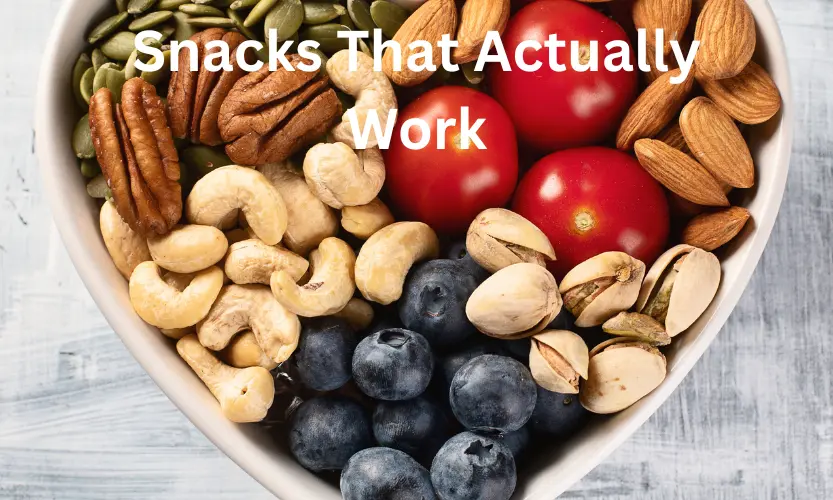
Snacks aren’t the enemy—they can actually help maintain steady energy throughout the day if you choose them wisely. Nuts and seeds like almonds, walnuts, and pumpkin seeds are small, crunchy, and packed with protein, fiber, and healthy fats that fuel your brain and body. Fruits such as bananas, apples, and oranges provide natural sugars and essential vitamins for a quick, clean lift in energy. Hummus with veggies is a perfect fiber and protein combo that helps prevent crashes and keeps you full longer. Dark chocolate, when eaten in moderation, can also provide a mild stimulant effect while improving mood. Keeping a few healthy options on hand prevents the temptation of sugary snacks or processed foods that give quick energy but leave you worse off later. The idea is consistent, reliable energy rather than unpredictable spikes and crashes.
Lunch Choices That Keep You Going
Lunch can make or break your afternoon energy levels. Heavy, greasy meals often leave you feeling sluggish, but balanced meals packed with nutrients can sustain alertness and productivity. Lean proteins like chicken, turkey, fish, or tofu are excellent choices because they support mental focus and repair your muscles. Complex carbohydrates such as brown rice, quinoa, and sweet potatoes release energy gradually, keeping blood sugar stable and energy consistent. Adding colorful vegetables not only provides essential vitamins and minerals but also antioxidants that enhance your body’s energy metabolism. Healthy fats like avocado, olive oil, and nuts further support long-lasting energy. Combining protein, complex carbs, and fats in your lunch is a simple, effective strategy to maintain steady energy throughout the afternoon without feeling heavy or lethargic.
Hydration: The Often Overlooked Energy Secret
Dehydration is a hidden cause of fatigue and low energy. Even mild dehydration can make you feel sluggish, reduce concentration, and affect mood. Drinking water regularly throughout the day is one of the simplest ways to boost energy naturally. Herbal teas can be a soothing alternative, providing hydration while offering calming benefits. On the other hand, sugary drinks may seem energizing but often lead to crashes that leave you feeling more tired than before. By staying properly hydrated, you support optimal body function, better nutrient absorption, and more stable energy levels. Regular water intake is an easy habit that amplifies the effect of energy-boosting foods.
Foods for Afternoon Energy Slumps
That mid-afternoon slump hits everyone at some point, but reaching for coffee or sugary snacks isn’t the only solution. Trail mix made from nuts and dried fruits offers sustained energy, while fresh fruits like apples, berries, or oranges refresh both mind and body. Veggie sticks with nut butter provide fiber and protein to stabilize blood sugar, and whole grain crackers paired with cheese make a balanced, energizing snack that keeps you going until dinner. The goal is consistent, smooth energy rather than quick, temporary fixes that end up leaving you more fatigued than before.
Pre-Workout and Post-Workout Energy Foods
Eating the right foods before and after workouts can make a noticeable difference in performance and recovery. Pre-workout meals or snacks like bananas, oats, or yogurt provide energy without weighing you down, while post-workout protein sources such as eggs, chicken, or protein shakes help repair muscles and replenish energy stores. Hydration before, during, and after workouts is equally crucial to support energy levels, stamina, and recovery. Choosing the right fuel around exercise ensures you maintain energy, perform better, and recover faster, making it easier to stay consistent with your routine.
You may also like these article
Daily Wellness Tips for Beginners: Simple Habits for a Better You
simple stress relief techniques that Instantly Calm Your Mind
Unlock Inner Peace with Simple Steps on how to start mindful living
Easy Self Care Routine Ideas to Boost Your Mood Instantly
Transform Your Life with Natural Remedies for Wellness
Lifestyle Tips to Maximize Natural Energy
While food is essential, lifestyle habits have a huge impact on energy levels. Quality sleep is non-negotiable; no amount of food can fully compensate for rest deprivation. Physical activity, even small bouts like walking or stretching, boosts alertness and mental focus. Chronic stress depletes energy, so mindfulness practices, deep breathing, or short relaxation breaks can help. Avoiding excessive caffeine and sugar ensures your energy remains steady without unnecessary crashes. By pairing energizing foods with healthy habits, you can dramatically improve daily energy and maintain consistent focus, mood, and productivity.
Daily Energy-Boosting Meal Plan Example
Here’s a simple, beginner-friendly example of how to structure your day to keep energy stable: Breakfast could be oats with berries and nuts to provide fiber, protein, and slow-releasing carbs. A morning snack of apple slices with almond butter keeps blood sugar steady. Lunch of grilled chicken, quinoa, and steamed vegetables combines protein, complex carbs, and vitamins. An afternoon snack of Greek yogurt with honey or a small trail mix gives a pick-me-up without a crash. Dinner might include salmon, sweet potato, and spinach to replenish energy and support recovery. Hydration through water and herbal teas is maintained throughout the day. The key takeaway is consistency—small, repeated actions build sustainable energy levels over time.
Encouraging Takeaway
Boosting your energy naturally doesn’t have to be complicated. By incorporating nutrient-rich foods, staying hydrated, and following simple habits, you can avoid constant energy crashes and enjoy steady, vibrant energy all day. Remember, it’s not about finding a single “miracle food,” but creating a lifestyle that supports your body’s natural rhythm. Start with small, manageable changes, observe how your body responds, and gradually make better choices a habit. Here’s a quick checklist to keep in mind: Include protein and complex carbs in every meal, keep healthy snacks available, drink water consistently, add colorful fruits and vegetables daily, and balance meals with healthy fats. With small, intentional changes, you’ll notice a real difference in how energized, alert, and productive you feel every day.
FAQs
What are the best foods for a natural energy boost?
Foods rich in complex carbs, protein, and healthy fats like oats, nuts, eggs, and fruits can naturally increase energy levels throughout the day.
Can fruits really boost energy naturally?
Yes, fruits like bananas, berries, and oranges provide natural sugars, vitamins, and antioxidants that help improve energy without crashes.
Is coffee better than natural foods for energy?
Coffee gives a temporary boost, but natural foods provide sustained energy, balanced nutrients, and no jitters or crashes.
When is the best time to eat for natural energy?
Eating small, balanced meals or snacks every few hours helps maintain steady energy levels, avoiding mid-day slumps.
Do snacks help in maintaining natural energy?
Healthy snacks like nuts, yogurt, and fruit can prevent fatigue and keep your energy consistent between meals.